
Application
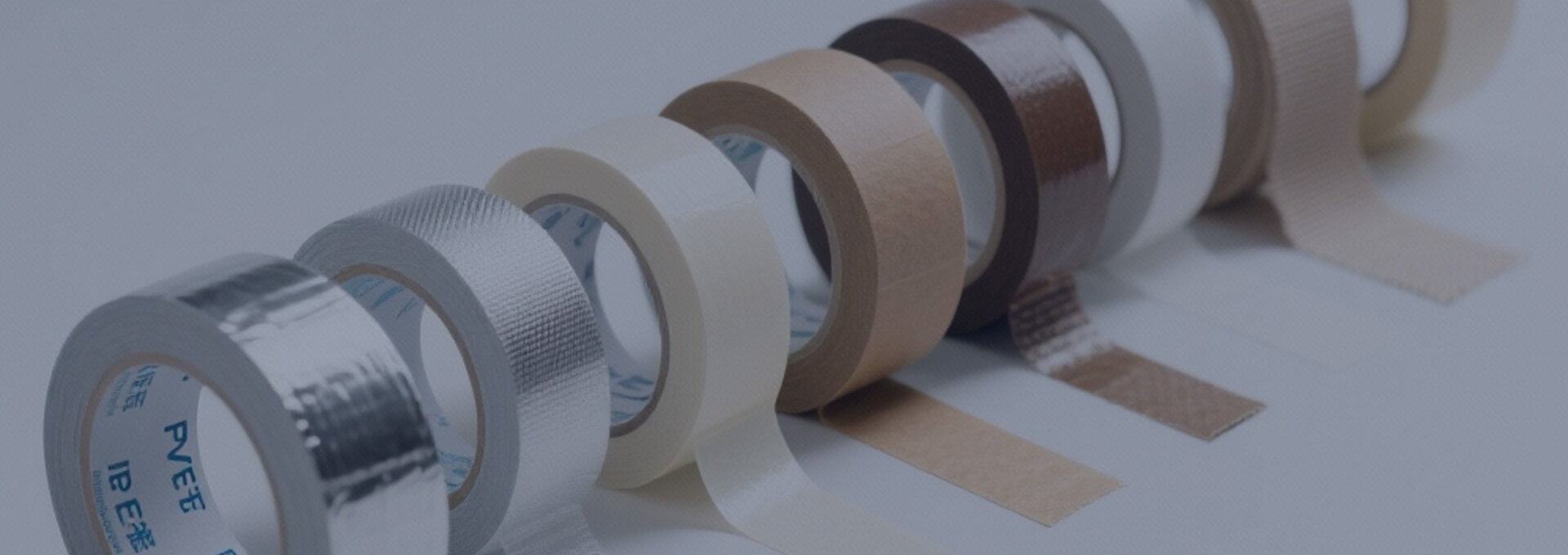
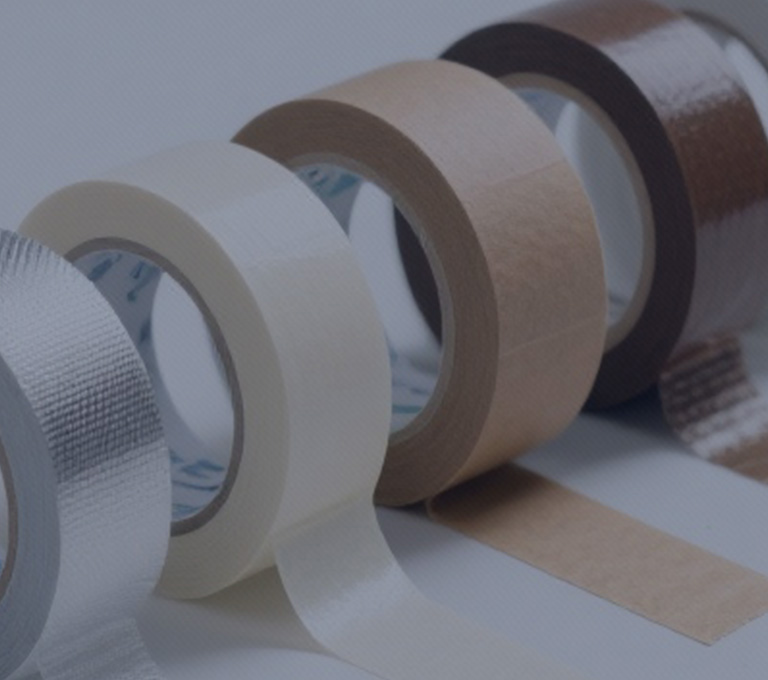
Fire Protection
Large-scale infrastructure equipment operates in complex environments with multiple interconnected systems. This necessitates the use of auxiliary structural components with sufficient safety performance to ensure normal equipment operation and the ability to prevent or mitigate incidents under special circumstances. Data center equipment consistently operates at high temperatures, while ventilation ducts and smoke stacks endure prolonged high heat and humidity. Cable areas experience temperature increases due to heavy loads, and air conditioning condensation leads to elevated moisture levels. Outdoor equipment faces continuous UV exposure. Under these demanding conditions, auxiliary materials must provide adequate protection when problems occur.
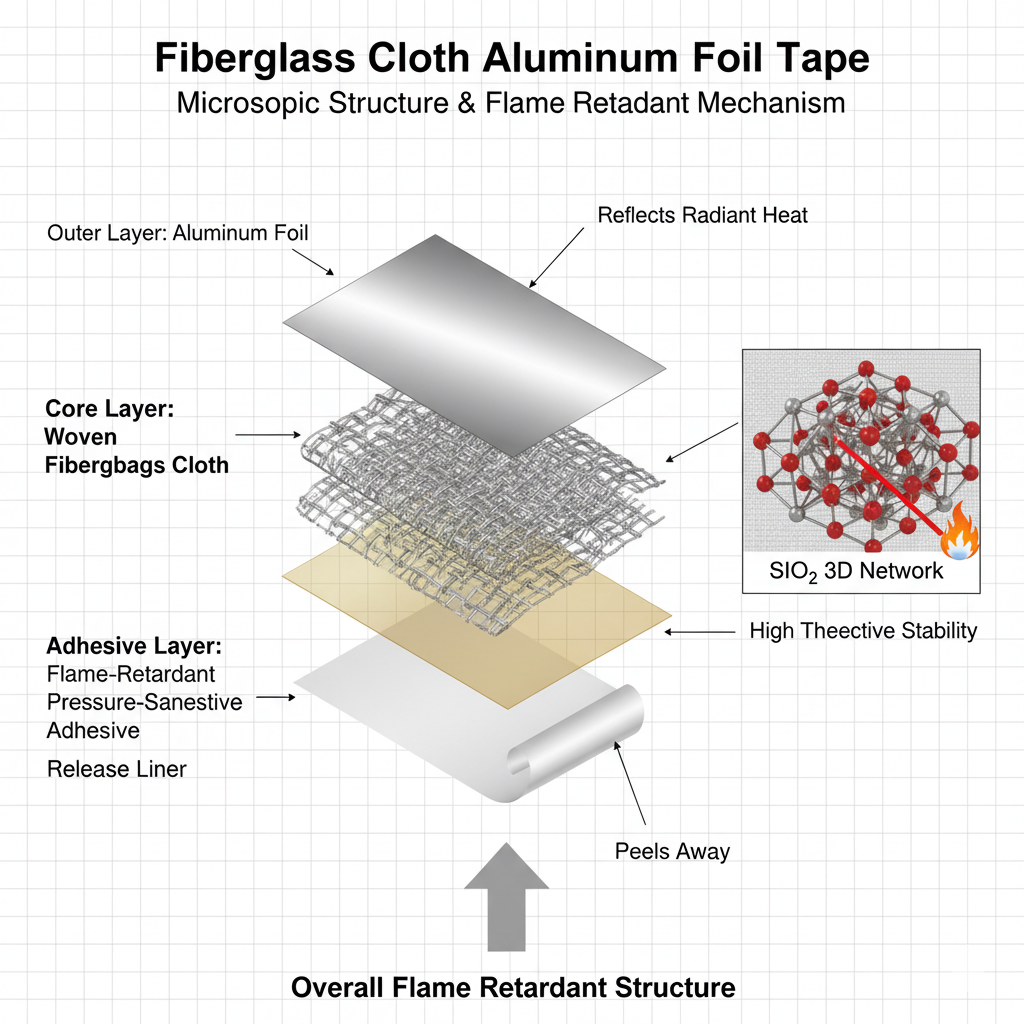
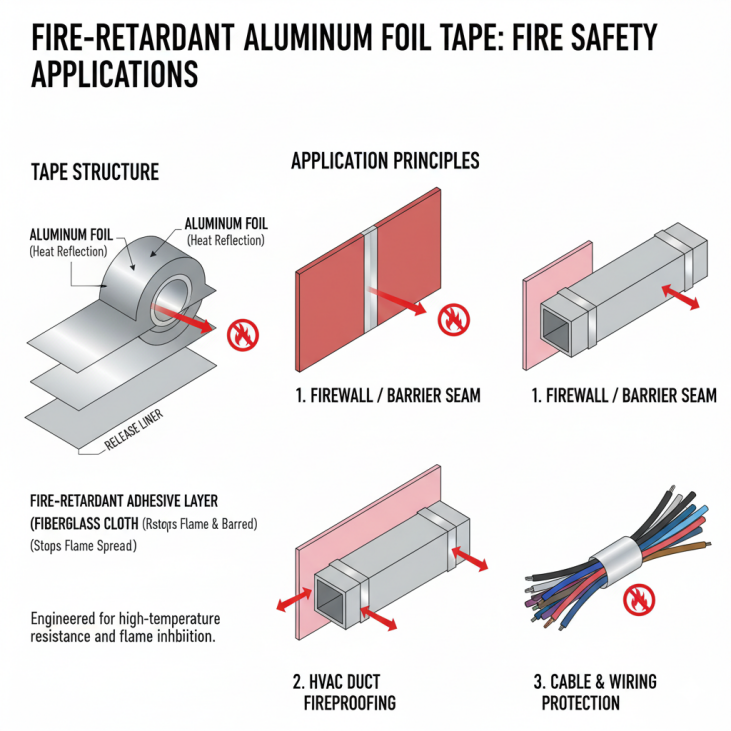
Aluminum foil tape and fiberglass aluminum foil tape are widely used for fire prevention in pipelines. Aluminum reflects 95% of infrared heat, reducing thermal conduction while maintaining excellent thermal conductivity, which prevents heat accumulation and potential spontaneous combustion. The dense metal layer also acts as an oxygen barrier, limiting fire-oxygen contact. Fiberglass aluminum foil tape combines aluminum with silicon oxides. The Si-O-Si bond possesses high energy, and silicon oxides/silicates have exceptionally high ignition points, making them resistant to combustion and fire escalation. This combination allows fiberglass aluminum foil tape to provide superior fire protection compared to standard aluminum foil tape.
PVC tape uses polyvinyl chloride film as its base material. Its molecular structure contains numerous chlorine atoms. When exposed to flame, PVC generates HCl gas, where halogen gases dilute combustible gas concentrations and absorb heat to interrupt combustion. Chlorine release causes structural carbonization, further isolating oxygen and heat. During production, flame retardants like Sb₂O₃ are often added to PVC. This substance reacts with HCl generated during combustion to form SbCl₃, which, being dense, covers surfaces and blocks air access, creating synergistic flame-retardant effects.
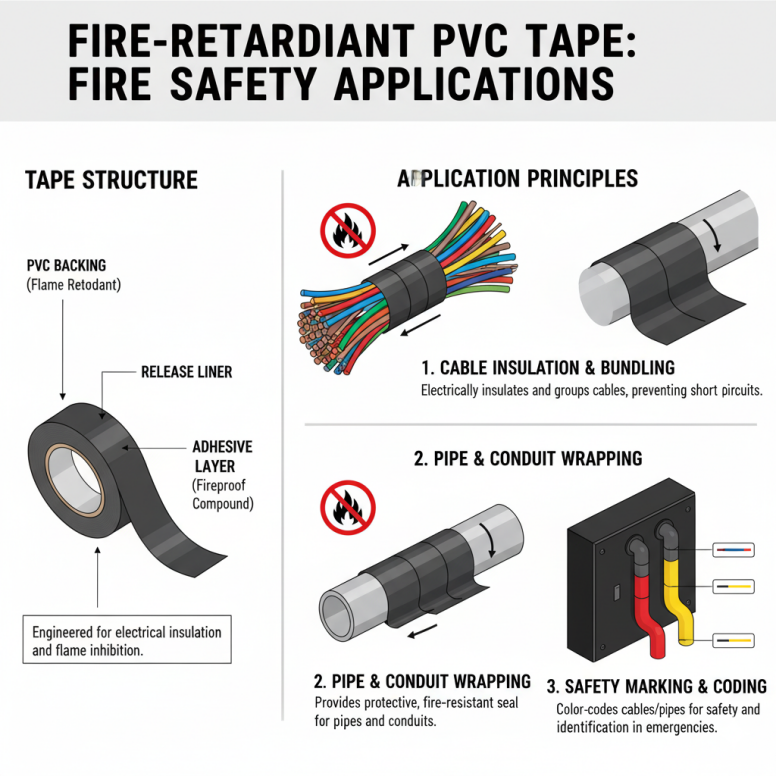
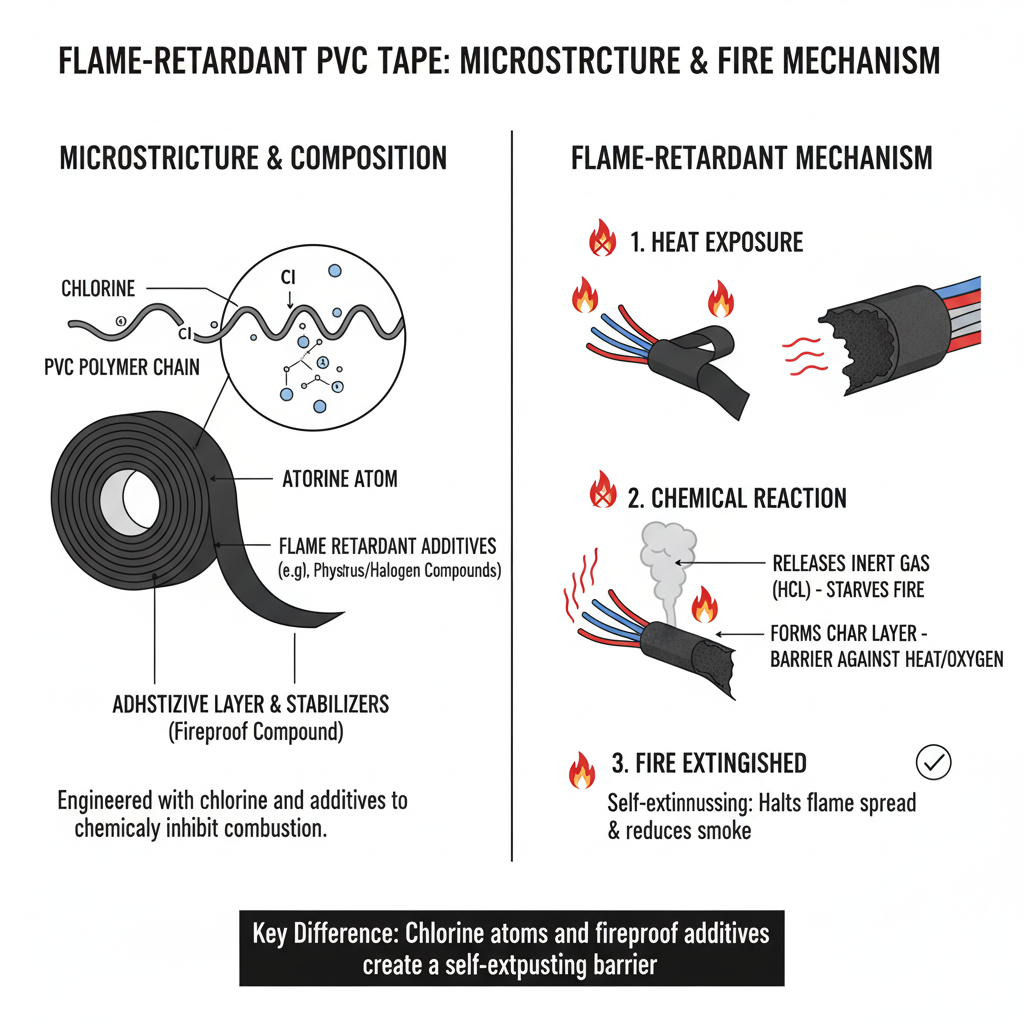
Compared to PET or PI tapes, PVC's molecular spatial structure is less orderly, and the inclusion of plasticizers makes the material softer with lower rigidity than these alternatives. This flexibility enables smooth application in wire harness wrapping and fixation. Combined with its excellent insulation properties, PVC tape becomes the ideal choice for cable electrical insulation and flame retardancy.
Related Application
-
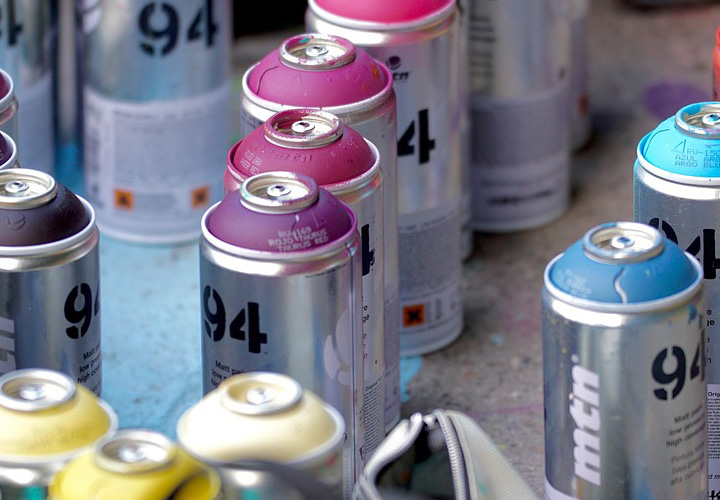 Spray MaskingTape is a simple, efficient, and low-cost material used in spray masking to create a physical barrier and achieve sharp paint lines. It can be easily removed after spraying without affecting the appearance of the substrate.Learn More
 -
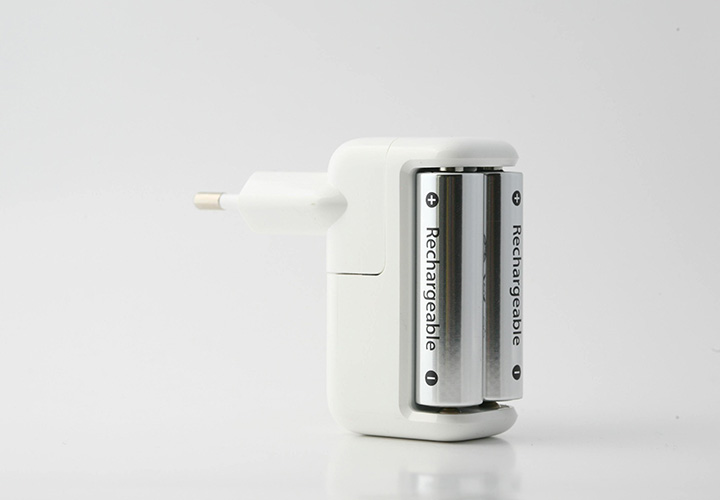 New Energy Battery PacksDuring the operation of new-energy lithium-ion battery packs, significant heat is generated. Therefore, all tapes used internally must possess certain heat resistance, with specific critical areas requiring both high-temperature resistance and flame retardancy.Learn More
 -
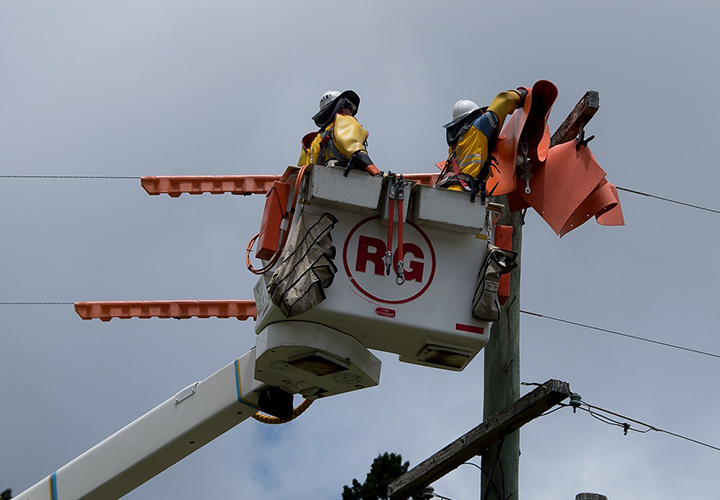 Electrical Insulation ProtectionTape plays an indispensable role in the field of electrical insulation, providing absolute protection. PVC tape exhibits a high dielectric strength, enabling it to withstand high voltages.Learn More
 -
 Home Appliance IndustryIn the refrigerator manufacturing process, various types of tapes play indispensable auxiliary roles. Refrigerators are among the most environmentally complex appliances in modern households, with internal conditions including low temperatures...Learn More
 -
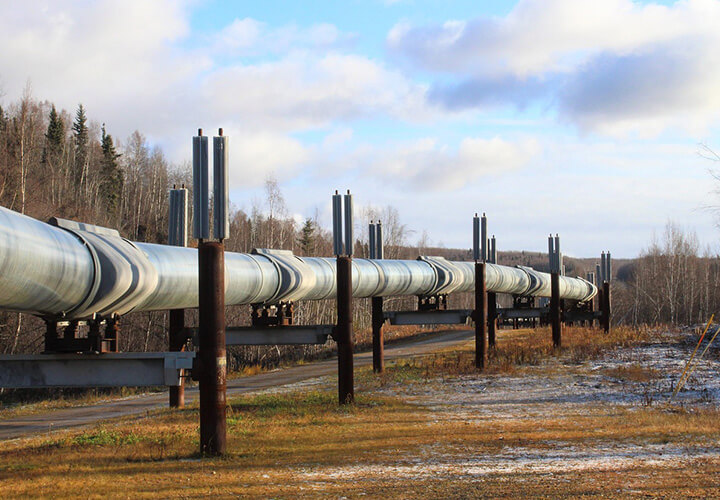 HVAC & Pipe Protection and InsulationIn HVAC and pipeline insulation systems, airtightness, thermal insulation, and moisture resistance are key performance indicators. As an essential auxiliary material for connection, sealing, and reinforcement, tape directly impacts the overall insulation efficiency, airtightness, and safety of the system.Learn More
 -
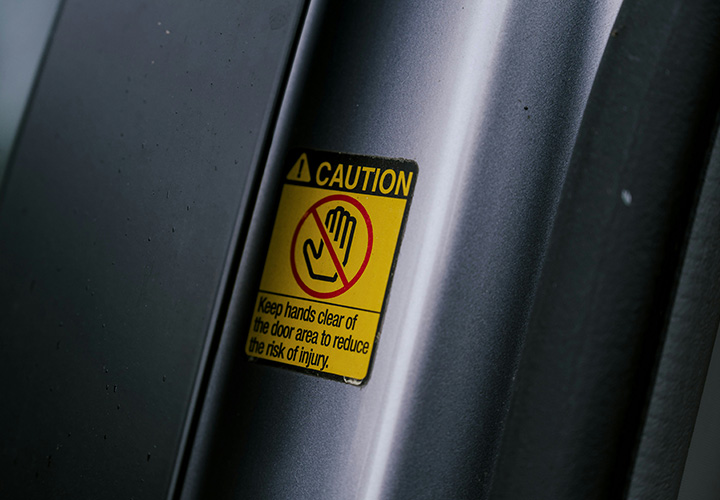 Warning and Anti-counterfeitingTapes perfectly integrate protective functions, information carrying, and tamper-evident properties into a simple, low-cost product, which aligns with the fundamental requirements of the warning and anti-counterfeiting sector.Learn More
Respond to Request Prompts within 24 Hours
As an advanced provider of adhesive solutions, Jin Diao Group will be at your service.