
Application
Packaging
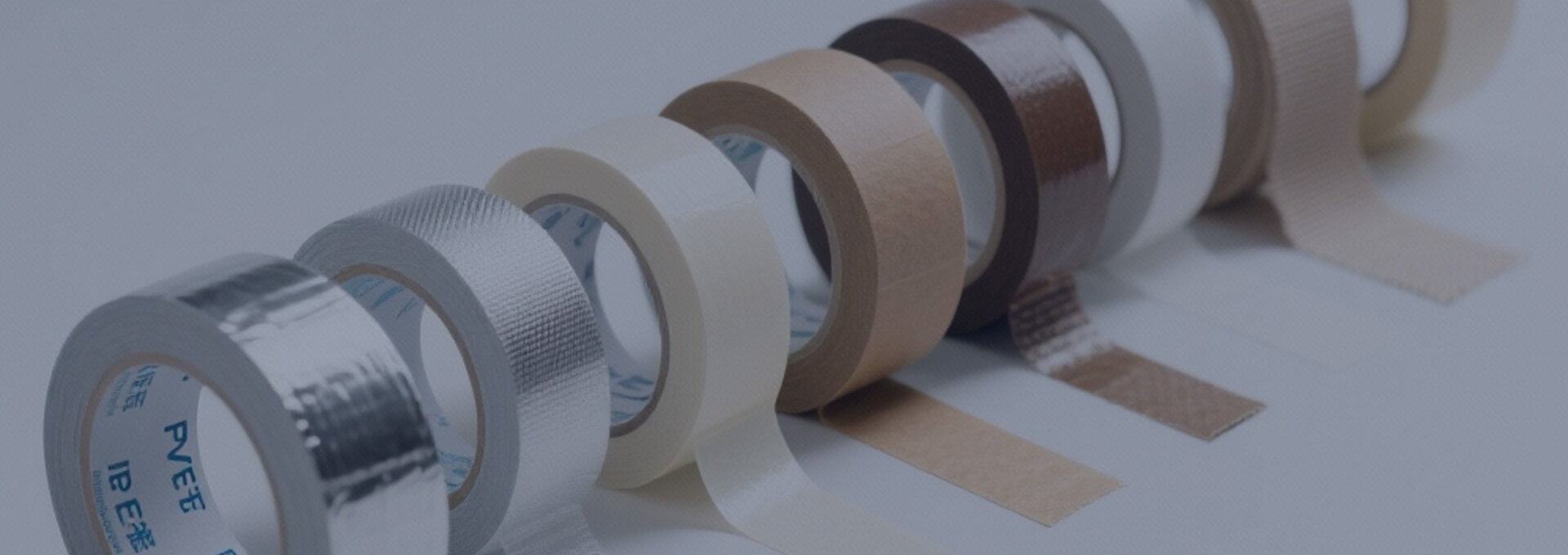
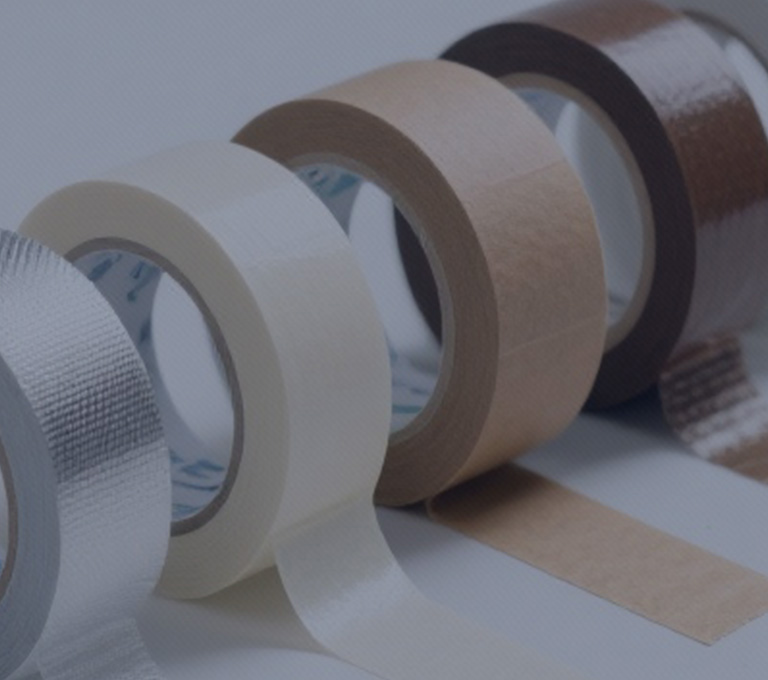
In modern packaging systems, tape is not only the final step in sealing boxes but also a critical material ensuring packaging integrity and logistics safety. From production line packing and warehouse handling to cross-regional transportation and end delivery, every stage relies on tape for fixation, sealing, reinforcement, and protection. It stabilizes packaging structures, enhances packaging efficiency, and safeguards transport safety, serving as a key bridge connecting products to customers.
Packaging tapes must exhibit excellent physical properties. They need to be soft yet sufficiently tough, adhering smoothly without lifting or buckling on bends, corners, and non-linear surfaces, thanks to high-performance adhesives. During transport and storage, they must withstand friction and impacts while maintaining integrity without tearing or damage.
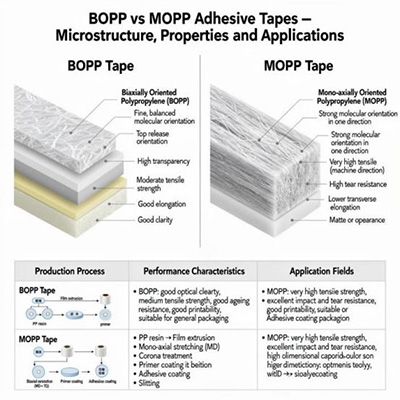
Both BOPP and MOPP tapes are polypropylene-based films—one biaxially oriented, the other uniaxially oriented. Both types demonstrate outstanding physical and chemical properties. BOPP tape offers high tensile strength, high elongation, sufficient rigidity, and toughness, making it resistant to damage. The polypropylene film features high and stable molecular weight, excellent weather resistance, moisture barrier properties, aging resistance, and resistance to acids, alkalis, and UV radiation. Its high transparency ensures that product information on packages remains visible. Commonly used for protecting and packaging everyday items, BOPP tape is the most widely used product in express parcel services.
MOPP tape, due to its uniaxial orientation, provides even higher tensile strength, lower elongation, and greater resistance to deformation compared to BOPP. This makes it ideal for heavy-duty bundling and securing internal components of appliances like refrigerators and washing machines. As a higher-strength industrial-grade tape, it is significantly more expensive than cost-effective BOPP tape.
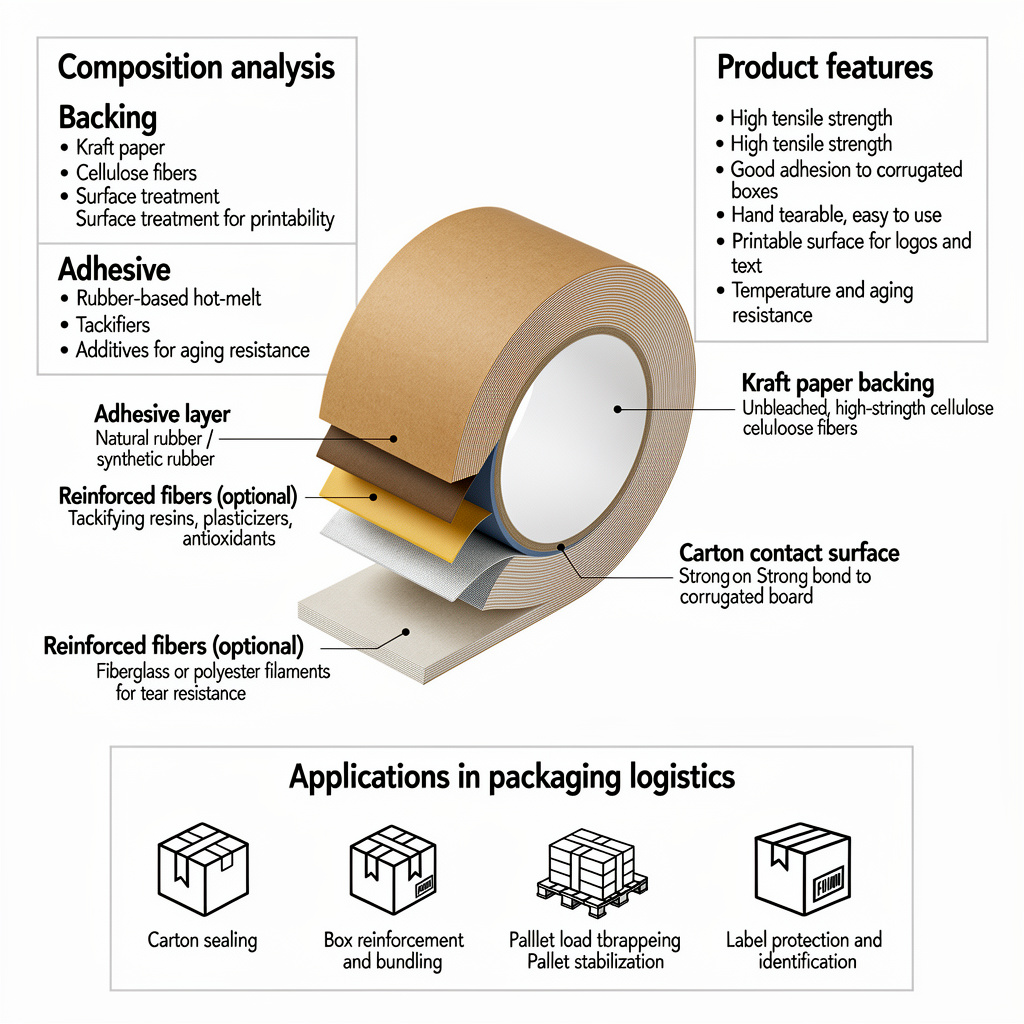
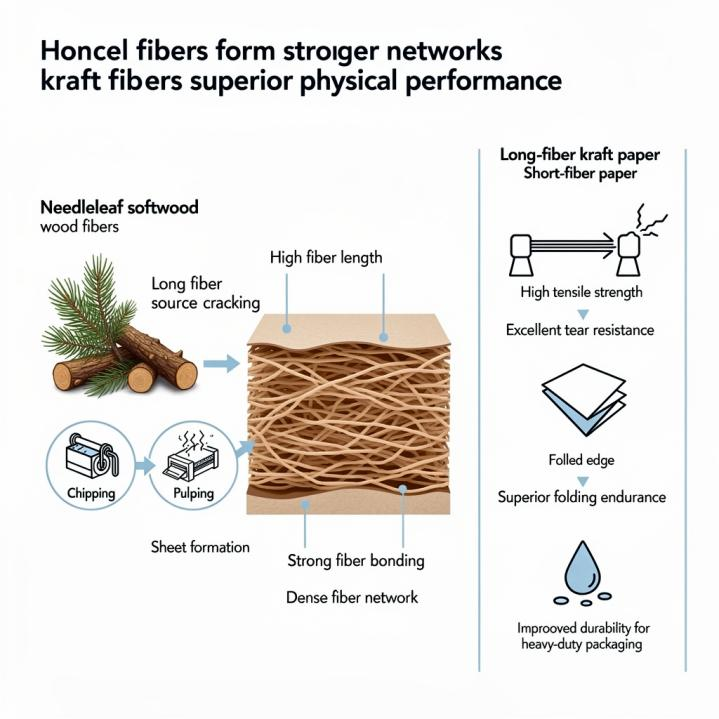
Kraft paper tape holds a substantial share in the packaging industry. Made from long-fiber softwood pulp and produced using the kraft process, it retains internal fibers better, resulting in superior toughness and enhanced physical properties compared to regular paper. It excels in tensile strength, tear resistance, and abrasion resistance. With waterproof surface treatment, its protective performance is comparable to polypropylene tapes. The relatively rough surface of kraft paper forms strong bonds with adhesives, ensuring excellent initial tack and adhesion to corrugated surfaces. It also offers high printability, making it suitable for corporate or custom logos. Environmentally, kraft paper tape has significant advantages: versions without plastic or silicone coatings are biodegradable and recyclable. Water-activated kraft paper tape uses starch-based adhesives, making both the substrate and adhesive eco-friendly. Like OPP tape, it is suitable for sealing and protecting various types of packages, reinforcing box strength, increasing load capacity, and enhancing structural integrity. With growing global environmental awareness and regulations, kraft paper tape has become an important alternative to OPP tape.
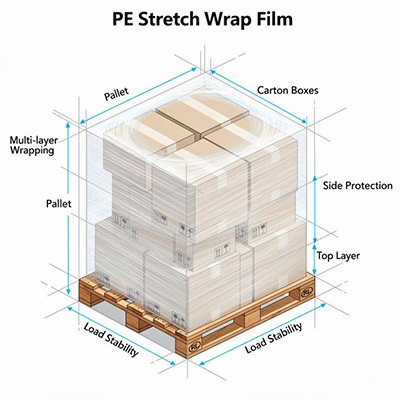
PE tape, similar to OPP tape, is a polymer-based tape but offers very high elongation, often ≥300%. It also provides excellent weather and temperature resistance. PE stretch film is the optimal choice for wrapping large palletized goods. When stretched and wrapped multiple times, it forms a strong, protective layer that shields contents and blocks moisture. Its soft, flexible nature allows it to conform perfectly to irregularly stacked cargo and cartons, making it an ideal packaging tape.
Related Application
-
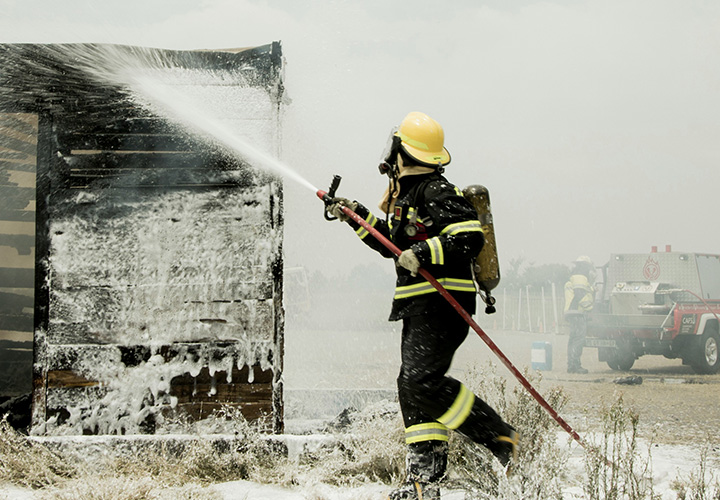 Fire ProtectionLarge-scale infrastructure equipment operates in complex environments with multiple interconnected systems. This necessitates the use of auxiliary structural components with sufficient safety performance to ensure normal equipment operation and the ability to prevent or mitigate incidents under special circumstances. ...Learn More
 -
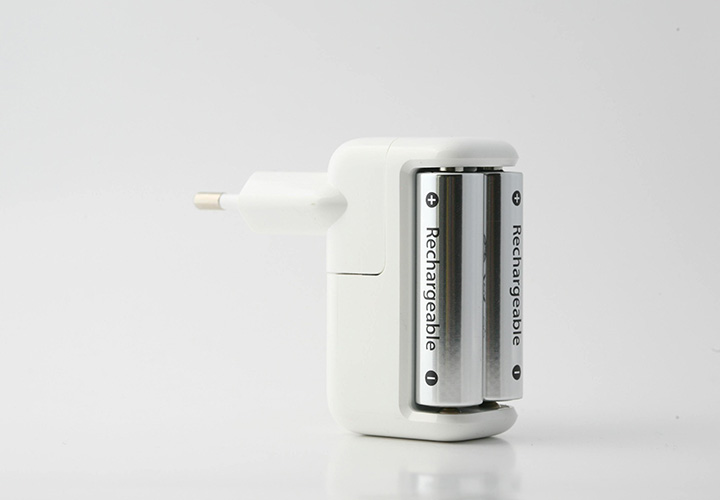 New Energy Battery PacksDuring the operation of new-energy lithium-ion battery packs, significant heat is generated. Therefore, all tapes used internally must possess certain heat resistance, with specific critical areas requiring both high-temperature resistance and flame retardancy.Learn More
 -
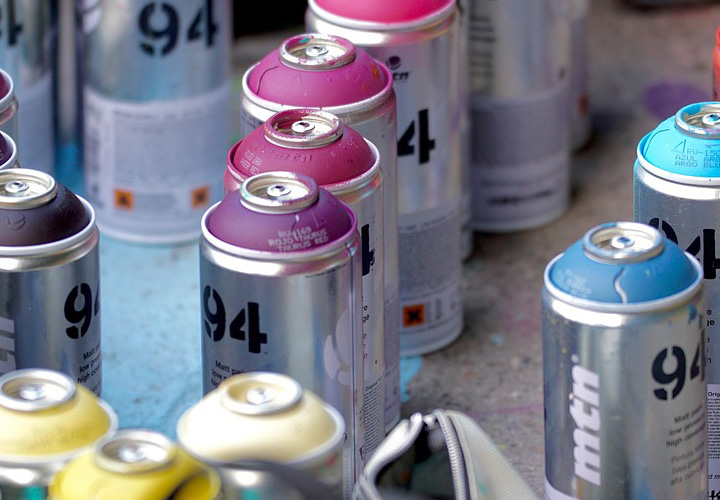 Spray MaskingTape is a simple, efficient, and low-cost material used in spray masking to create a physical barrier and achieve sharp paint lines. It can be easily removed after spraying without affecting the appearance of the substrate.Learn More
 -
 HVAC & Pipe Protection and InsulationIn HVAC and pipeline insulation systems, airtightness, thermal insulation, and moisture resistance are key performance indicators. As an essential auxiliary material for connection, sealing, and reinforcement, tape directly impacts the overall insulation efficiency, airtightness, and safety of the system.Learn More
 -
 Home Appliance IndustryIn the refrigerator manufacturing process, various types of tapes play indispensable auxiliary roles. Refrigerators are among the most environmentally complex appliances in modern households, with internal conditions including low temperatures...Learn More
 -
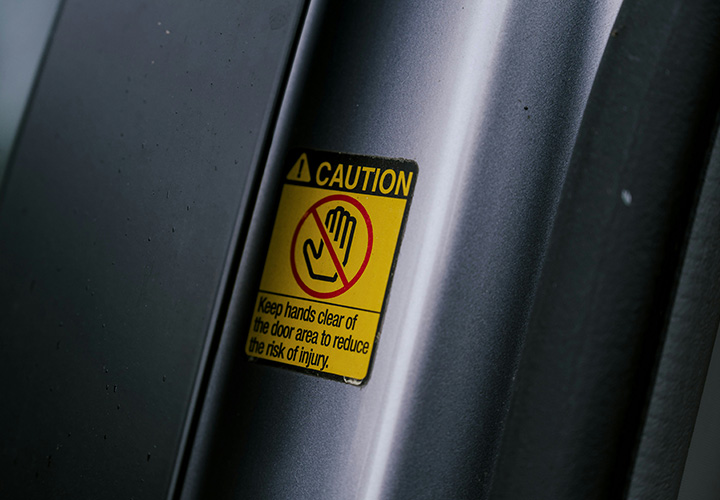 Warning and Anti-counterfeitingTapes perfectly integrate protective functions, information carrying, and tamper-evident properties into a simple, low-cost product, which aligns with the fundamental requirements of the warning and anti-counterfeiting sector.Learn More
Respond to Request Prompts within 24 Hours
As an advanced provider of adhesive solutions, Jin Diao Group will be at your service.