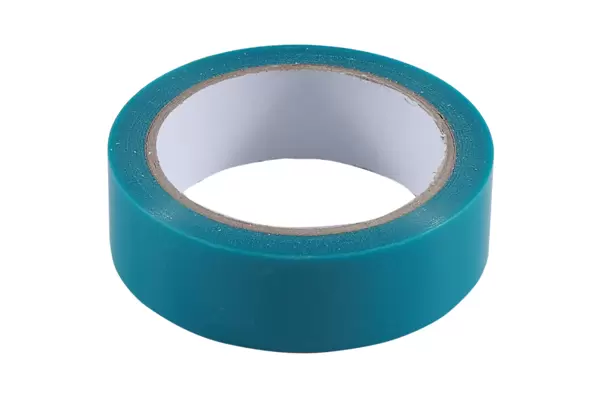
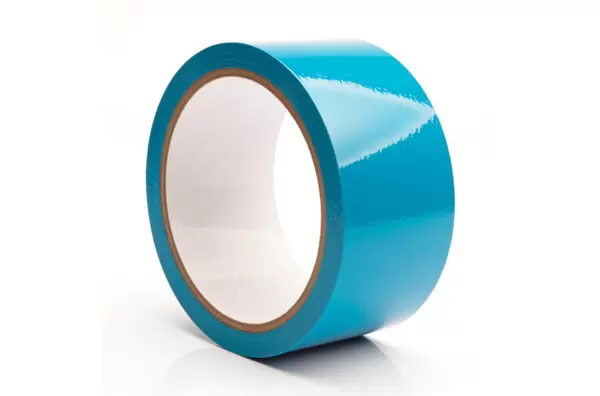
In many manufacturing environments, adhesive tape is not just a simple sealing material. It often plays a role in surface protection, temporary fixing, waterproof sealing, and process assistance. Among these materials, PE tape (Polyethylene Pressure-Sensitive Adhesive Tape) stands out because of its flexibility, moisture resistance, and environmental stability.
Pure polyethylene (PE) backing tapes are widely used in industries such as construction materials, electronics manufacturing, agriculture, and industrial protection. The combination of a flexible PE film and a pressure-sensitive adhesive allows the tape to perform reliably in conditions where many other tapes fail.
For buyers and engineers, understanding how PE tape works—and how quality differences affect real-world performance—is critical when selecting the right material.
What Is PE Tape?
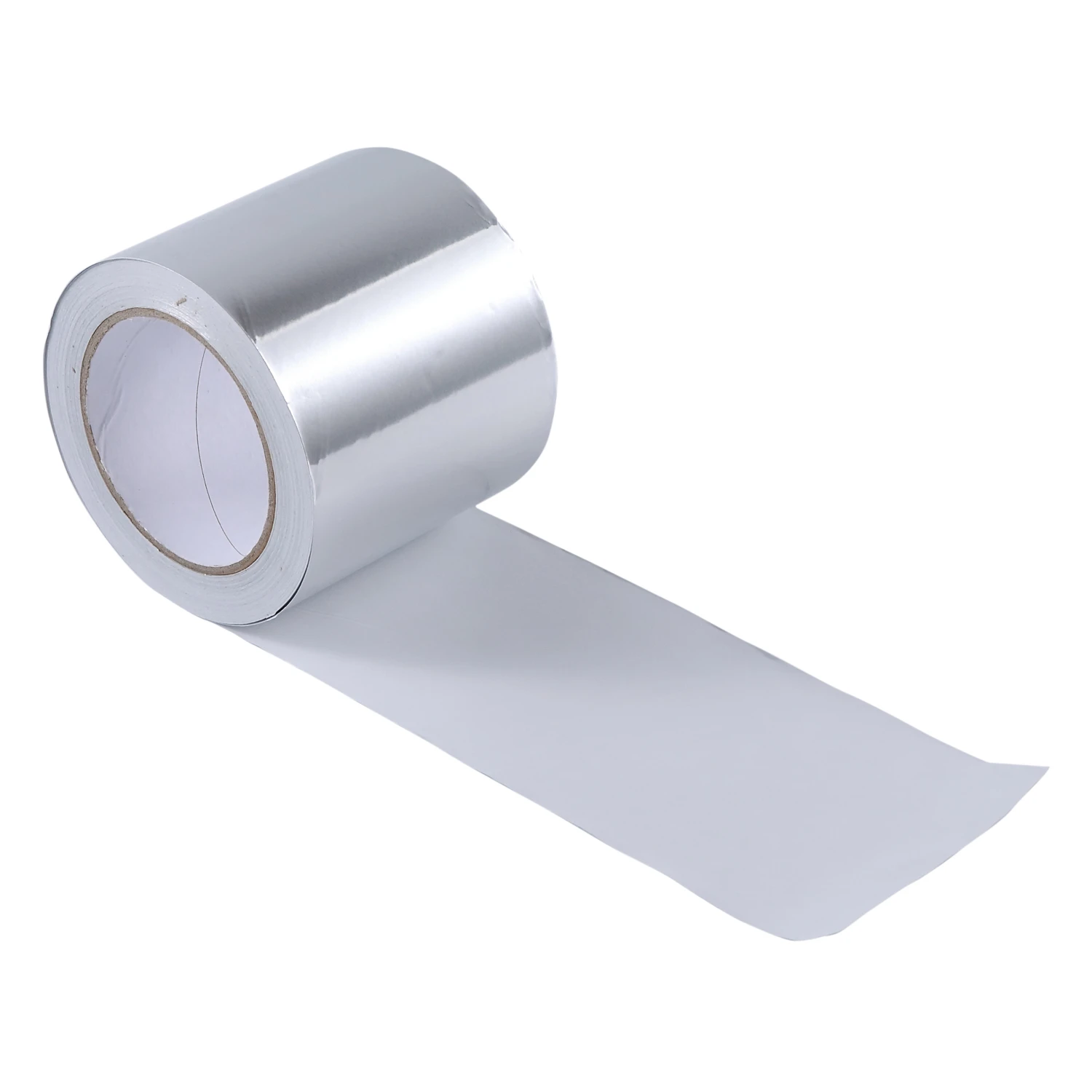
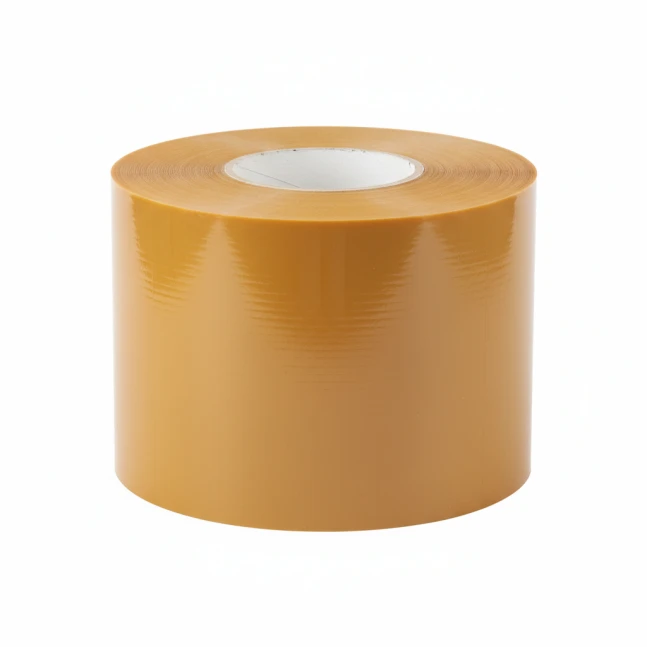
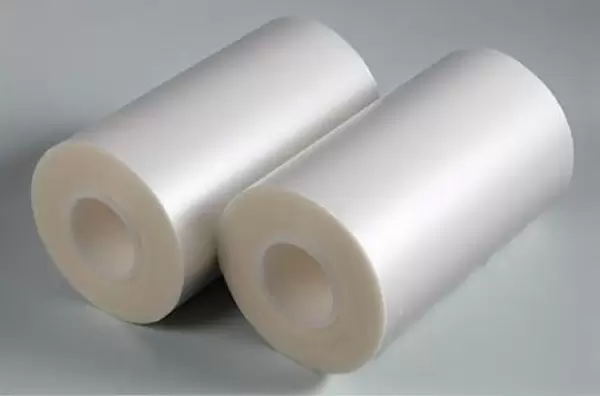
PE tape, short for Polyethylene Pressure-Sensitive Adhesive Tape, is an industrial adhesive tape manufactured using polyethylene film as the backing substrate. The film is coated with a pressure-sensitive adhesive layer—typically acrylic or rubber-based—and sometimes treated with a release agent to control unwinding performance.
A typical PE tape structure includes:
The PE film provides flexibility and waterproof protection, while the adhesive allows the tape to bond instantly without heat or solvent activation.
A detailed overview of the product can be found here:
PE tape product page – https://www.cn-aluminumtape.com/PE-tape/
Because polyethylene has excellent chemical stability and elasticity, PE tapes can adapt to curved surfaces and irregular materials better than many rigid film tapes.
Core Properties of Pure PE Tape
Waterproof and Moisture Resistance
Polyethylene is naturally impermeable to water and moisture, which makes PE tape highly suitable for sealing applications.
When used on packaging joints, protective coverings, or vapor barriers, the PE backing acts as a barrier layer that prevents moisture penetration. This property is especially valuable in outdoor construction projects and transportation environments where humidity levels fluctuate.
Weather and Environmental Stability
High-quality PE tapes maintain stable performance under exposure to:
UV radiation
ozone
temperature variations
Acrylic adhesive systems are often chosen when long-term outdoor exposure is required because they offer excellent aging resistance. In most industrial environments, PE tapes can operate reliably within a temperature range of approximately –20°C to 80°C.
Lower-quality materials, however, may become brittle at low temperatures or soften excessively in high heat, which can lead to adhesive transfer or structural failure.
Mechanical Strength and Durability
Although polyethylene film is flexible, it can still provide good tensile strength and puncture resistance when properly manufactured.
During logistics and industrial handling, tape surfaces may encounter:
A stable PE film structure helps the tape maintain its integrity without tearing or splitting under these stresses.
Flexibility and Surface Conformability
One of the biggest advantages of PE tape is its soft and flexible structure.
Unlike rigid film tapes, PE tape can easily conform to:
curved metal surfaces
plastic housings
pipe joints
irregular edges
This property allows the tape to create a tight seal even on uneven substrates, which improves sealing reliability.
Major Application Areas of Pure PE Tape
Surface Protection
Surface protection is one of the largest application sectors for pure PE backing tapes.
In industries such as construction materials and metal processing, PE protective tapes are used to protect surfaces during cutting, bending, transportation, and installation.
Typical protected materials include:
stainless steel sheets
aluminum profiles
decorative panels
plastic window frames
The tape must adhere securely but still remove cleanly without leaving residue.
Electronics and Optoelectronics
PE protective tapes are widely used in electronics manufacturing to protect sensitive surfaces during processing and assembly.
Common applications include:
In these applications, the tape must provide reliable protection while avoiding contamination or adhesive residue.
Automotive Manufacturing
Automotive manufacturers often apply protective PE films to vehicle surfaces during transportation.
These tapes protect painted surfaces, trim components, and interior parts from scratches and contamination before final delivery.
Agricultural and Construction Sealing
PE tape is also widely used for outdoor sealing and film repair.
For example, agricultural greenhouse films are typically made from polyethylene. When damage occurs, PE repair tape provides compatible material properties and reliable adhesion.
In construction projects, PE tapes are often used to seal vapor barriers and moisture protection membranes to prevent water penetration in building structures.
Medical and Hygiene Applications
Pure PE materials are also used in medical environments because of their softness and compatibility with breathable structures.
Microporous PE medical tapes can be used for:
fixing bandages
securing IV needles
holding wound dressings
These tapes are designed to be gentle on skin while still providing reliable adhesion.
Pipeline Corrosion Protection
Another important industrial application is pipeline anticorrosion wrapping.
PE anticorrosion tapes typically use a thick polyethylene backing combined with strong adhesive systems such as butyl rubber. They are widely used in oil, gas, chemical, and municipal pipeline systems.
The polyethylene layer acts as a barrier against moisture, oxygen, and soil pressure.
Cleanroom and Electronics Manufacturing
In semiconductor and precision electronics factories, cleanroom environments require materials that do not generate dust particles.
Many conventional tapes release microscopic fibers or paper fragments when torn. Pure PE tapes avoid this issue because the film structure does not shed particles during unwinding or removal.
For this reason, PE tapes are often used in cleanroom packaging and temporary sealing operations.
Why Tape Quality Matters: A Practical Example
From a customer perspective, tape performance differences often appear only after the product has been installed or used.
A common scenario occurs in appliance manufacturing.
During assembly and shipping, tapes are often used to secure internal components temporarily. Occasionally, end users may forget to remove these tapes before the appliance enters normal operation.
If the equipment later operates in low-temperature environments, such as refrigeration systems, low-quality PE tape can create problems.
Typical issues include:
adhesive hardening after cold exposure
glue residue remaining on plastic surfaces
film brittleness that causes tearing during removal
These problems increase cleaning time and may damage the appearance of the product.
A well-formulated PE tape behaves differently. Even after exposure to low temperatures, the adhesive maintains balanced flexibility and cohesion. When removed, the tape separates cleanly without residue or surface discoloration.
This difference is usually the result of adhesive formulation quality and film stability, not just tape thickness.
Production Factors That Influence PE Tape Quality
Not all PE tapes are produced to the same industrial standards.
Key factors that affect performance include:
Raw Material Quality
The quality of polyethylene resin determines flexibility, transparency, and long-term durability.
Inferior resin may lead to brittle films or inconsistent thickness.
Film Processing
During production, PE film must be processed under controlled temperature and stretching conditions.
Improper processing can result in:
Adhesive Coating Control
Adhesive coating must be precisely controlled.
Too much adhesive can cause residue during removal, while insufficient coating may lead to poor bonding strength.
Aging Stability
Proper drying temperatures are critical during production. Excessive heat may damage the polymer structure of the adhesive, leading to premature aging.
Reliable manufacturers perform multiple inspections such as:
tensile strength testing
peel adhesion testing
thickness measurement
aging resistance testing
These tests ensure consistent batch quality.
Conclusion
PE tape is far more than a simple adhesive product. Its real performance depends on the balance between film flexibility, adhesive stability, and environmental resistance.
From surface protection and cleanroom manufacturing to construction sealing and pipeline protection, pure PE tape continues to play an important role across multiple industries.
For industrial users, selecting the right tape means understanding not only the material type but also the manufacturing quality behind it.
Through strict control of raw materials, adhesive formulation, and production processes, JIN DIAO focuses on delivering PE tape products that provide reliable performance, stable adhesion, and clean removability in demanding industrial environments.